Rediscovering Heritage: The Rise of Grandmillennial Beige Toile Jouy Patterns in Modern Design
The design world is currently witnessing a fascinating pendulum swing. After years dominated by stark minimalism, cool grays, and industrial chic, there is a collective yearning for warmth, narrative, and comfort. At the heart of this shift lies the Grandmillennial Beige Toile Jouy Pattern, a aesthetic that bridges the gap between inherited tradition and contemporary taste. This style is not merely about nostalgia; it is a deliberate curation of history, reimagined through a lens of soft neutrality and refined elegance. For designers, entrepreneurs, and homeowners alike, understanding this trend offers a pathway to creating spaces and products that feel both timeless and urgently relevant.
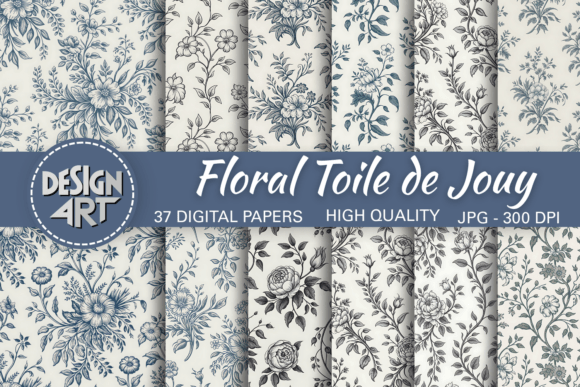
Toile de Jouy, originating in 18th-century France, traditionally features intricate, monochromatic scenes of pastoral life, mythology, or architecture printed on cotton. Historically, these patterns were bold, often utilizing deep reds or blues against stark white backgrounds. However, the modern interpretation—the "Grandmillennial" version—softens these edges. By shifting the palette to sophisticated beiges, creams, and warm taupes, the pattern loses its museum-like stiffness and gains a versatile, calming presence. This evolution reflects a broader cultural movement where younger generations are not rejecting the past but are instead curating it to fit a slower, more intentional lifestyle.
The Evolution of Tradition in a Digital Age
The resurgence of toile is particularly interesting when viewed against the backdrop of our increasingly digital existence. As daily life becomes more screen-centric and fast-paced, there is a counter-movement in physical environments and tangible goods toward slowness and detail. The Grandmillennial Beige Toile Jouy Pattern satisfies this psychological need. The delicate linework and complex storytelling inherent in toile designs invite the viewer to linger, to trace the lines of a countryside cottage or a blooming floral arrangement. It provides a visual respite from the flat, high-contrast interfaces we navigate all day.
This trend also signals a change in how value is perceived in the marketplace. Consumers are moving away from disposable, trend-chasing decor toward items with perceived longevity and heritage. A beige toile wallpaper or a textile featuring these classic French pastoral scenes suggests stability and grace. For business owners and creators, this means that incorporating these elements into product lines—from stationery to home textiles—is no longer seen as "old-fashioned," but rather as a mark of sophistication and quality. The neutral beige tone is crucial here; it allows the intricate details to shine without overwhelming a modern interior, making it adaptable to various lighting conditions and existing furniture styles.
Practical Applications for Creators and Entrepreneurs
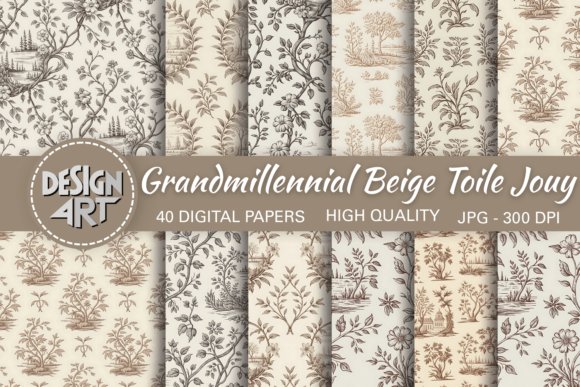
For professionals in the creative industry, the demand for high-quality, seamless patterns has never been higher. The utility of a well-crafted Grandmillennial Beige Toile Jouy Pattern collection extends far beyond simple decoration. Consider the workflow of a print-on-demand entrepreneur or a textile designer. They require assets that are not only aesthetically pleasing but technically robust. A collection featuring 40 high-resolution seamless patterns, such as those found in premium digital archives, provides the flexibility needed for diverse projects.
When selecting patterns for professional use, technical specifications matter immensely. High-resolution files, typically around 3072 × 3072 pixels, ensure that the delicate linework of the toile does not pixelate when scaled up for large-format printing. Whether the end product is a roll of wallpaper covering a feature wall or a run of fabric for upholstery, the clarity of the image defines the perceived quality of the final good. Furthermore, the seamless nature of these tiles is critical. A pattern that tiles perfectly allows for infinite repetition without visible breaks, a necessity for maintaining the illusion of a continuous, hand-drawn scene.
The versatility of the beige palette cannot be overstated in a commercial context. Unlike bolder colors that might limit a product's appeal to specific niches, soft neutrals have mass market appeal. They fit effortlessly into the "quiet luxury" trend that is currently dominating interior design markets. A creator can take these digital papers and apply them to:
- Fabric and Textiles: Ideal for drapery, throw pillows, and even fashion garments where a subtle, textured look is desired.
- Wallcoverings: Perfect for creating accent walls in living rooms, nurseries, or boutique hotels seeking a refined atmosphere.
- Stationery and Paper Goods: Wedding invitations, journals, and greeting cards benefit from the romantic and classic feel of toile.
- Digital Backgrounds: Useful for website headers, social media templates, and branding materials that wish to convey trust and elegance.
Adapting Classic Aesthetics to Modern Workflows
The integration of traditional patterns like toile into modern design workflows also highlights the importance of editable digital assets. In the past, working with vintage patterns often meant scanning old fabrics or dealing with low-quality reproductions. Today, access to fully editable, high-resolution JPEGs changes the game. Designers can resize, rotate, recolor, or layer these patterns to suit specific client needs without losing fidelity.
This adaptability is essential for meeting varied user expectations. A client might love the composition of a specific pastoral scene but require a slightly warmer undertone to match their existing decor. With the right source files, a designer can adjust the hue or opacity, blending the Grandmillennial Beige Toile Jouy Pattern with other textures or colors. This level of control empowers creators to offer bespoke solutions rather than off-the-shelf products, adding significant value to their services.
Moreover, the trend reflects a shift in how we define "home." The post-pandemic era has turned homes into multi-functional hubs for work, leisure, and sanctuary. Consequently, the aesthetics of our living spaces have had to evolve. The harshness of pure modernism can sometimes feel sterile in a space where one spends the majority of their time. The soft, narrative-rich quality of beige toile introduces a sense of curated history and comfort. It makes a space feel lived-in and loved, rather than staged. This emotional resonance is a powerful tool for interior designers and real estate stagers looking to create immediate connections with potential buyers or residents.
Strategic Implementation for Brand Identity
Beyond physical products, the Grandmillennial Beige Toile Jouy Pattern serves as a potent tool for brand identity. In a crowded digital marketplace, brands are constantly searching for visual languages that differentiate them. Adopting a grandmillennial aesthetic can signal that a brand values craftsmanship, heritage, and attention to detail. This is particularly effective for businesses in the wellness, hospitality, and artisanal food sectors.
Imagine a boutique coffee shop using beige toile packaging for their beans, or a skincare line utilizing these patterns for their box designs. The visual cue immediately communicates a sense of ritual and care. It suggests that the product inside is equally thoughtful. However, successful implementation requires balance. The key is to let the pattern breathe. Overusing intricate designs can lead to visual clutter. The best approach often involves using the toile as a grounding element, paired with ample white space and modern typography. This juxtaposition of the ornate and the minimal creates a dynamic tension that feels fresh and contemporary.
It is also worth noting the sustainability angle often associated with this trend. The grandmillennial style encourages the reuse and repurposing of existing furniture and decor. A chair recovered in a beige toile fabric breathes new life into an old frame, aligning with the growing consumer preference for sustainable practices over fast furniture. For marketers and content creators, highlighting this aspect of the design choice can resonate deeply with environmentally conscious audiences.
Future Outlook: Timelessness Over Trends
While design trends are notoriously cyclical, the core appeal of the Grandmillennial Beige Toile Jouy Pattern suggests a staying power that exceeds typical fads. Its foundation is built on centuries of design history, adapted to fit current sensibilities. As long as there is a human desire for connection to the past and a need for comforting, beautiful environments, variations of toile will remain relevant.
For those looking to invest in this aesthetic, the focus should remain on quality and authenticity. The market is flooded with generic imitations, but the difference lies in the details—the precision of the linework, the subtlety of the beige tones, and the seamlessness of the repeat. Investing in a comprehensive collection of 40 high-resolution patterns provides a robust toolkit for years of creative output. It allows for consistency across different projects while offering enough variety to prevent monotony.
In conclusion, the rise of grandmillennial style and the specific popularity of beige toile de Jouy represent a mature evolution in design thinking. It is a rejection of the ephemeral in favor of the enduring. For creators, it offers a rich vein of inspiration that combines technical precision with emotional depth. For consumers, it offers a way to craft environments that are both stylish and soulful. As we move forward, the ability to blend these traditional motifs with modern functionality will define the next generation of elegant, meaningful design.