Retro Floral Halftone Texture: A Vintage Design Boost
There is a specific kind of magic that happens when you blend the soft, organic curves of nature with the rigid, mechanical precision of old-school printing. This is exactly what you get when you explore the world of Retro Floral Halftone Texture. If you have ever looked at a vintage magazine from the 1950s or a classic comic book and wondered how they achieved that gritty, dotted look over beautiful illustrations, you are already familiar with the aesthetic. Today, this style has made a massive comeback, offering designers a way to add instant character and depth to their work without needing a darkroom or expensive printing press.
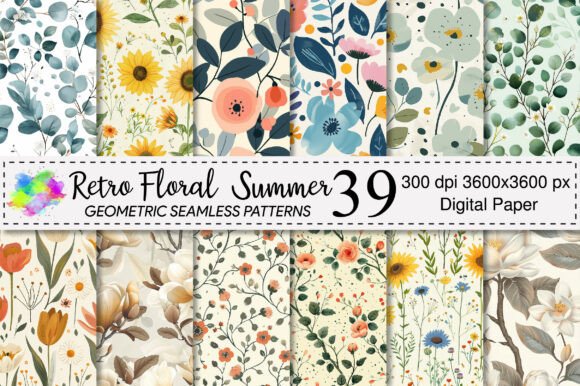
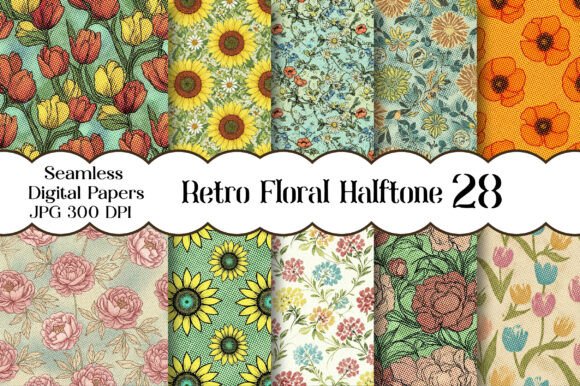
At its core, this design element combines two distinct visual languages. First, you have the floral component, which brings warmth, nostalgia, and a touch of elegance. These aren't just generic flowers; they are styled with the bold lines and simplified shapes typical of mid-century art. Second, you have the halftone effect. In traditional printing, halftones are created by varying the size or spacing of tiny dots to simulate shades of gray or color gradients. When these dots are overlaid on floral patterns, they create a unique texture that feels both aged and modern. The result is a visual rhythm that catches the eye and invites the viewer to look closer.
Why This Aesthetic Resonates with Modern Creators
You might be wondering why so many bloggers, small business owners, and professional designers are turning to this specific look. The answer lies in the current desire for authenticity. In a digital world where everything can look perfectly smooth and polished, there is a growing appreciation for imperfections that suggest history and craftsmanship. Using a Retro Floral Halftone Texture allows you to inject that sense of tangible history into a digital file.
For entrepreneurs launching a new brand, this texture offers a shortcut to establishing a unique voice. It signals that your brand values creativity and isn't afraid to break away from the sterile, corporate minimalism that dominates many industries. For hobbyists and scrapbookers, it provides a ready-made backdrop that makes photos and journal entries pop with personality. The appeal is universal because it bridges the gap between the past and the present, making it suitable for everything from a trendy coffee shop logo to a personal wedding invitation suite.
Practical Applications Across Different Mediums
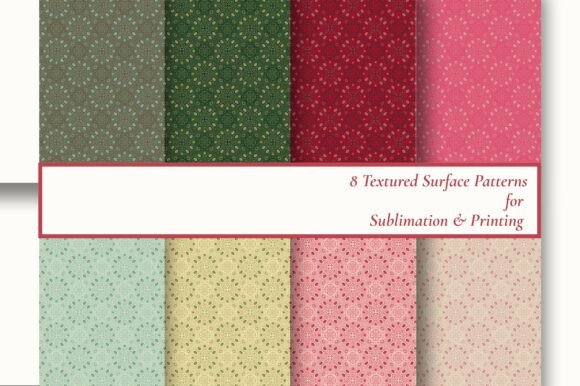
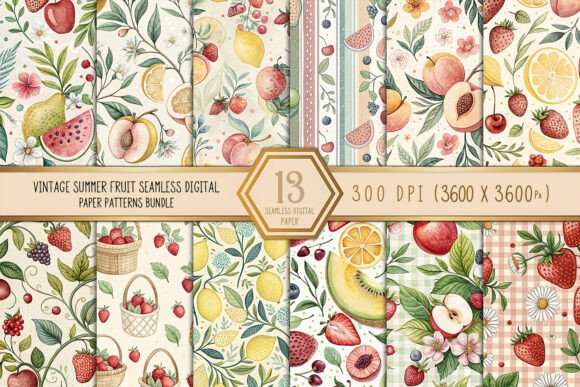
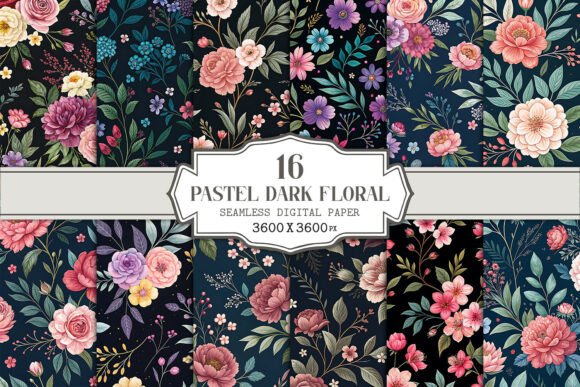
The versatility of these textures is one of their strongest assets. Because they are typically available as high-resolution digital papers, they can be scaled up or down without losing quality. Here are several ways you can incorporate them into your projects:
- Branding and Packaging: Imagine a line of artisanal soaps or small-batch hot sauce. Wrapping these products in paper featuring bold, dotted florals instantly communicates a "handcrafted" vibe. It works exceptionally well for labels, box liners, and shopping bags.
- Social Media Graphics: Feed fatigue is real. Users scroll past generic stock photos every day. By using these textures as backgrounds for your Instagram stories or Pinterest pins, you create a cohesive visual identity that stands out. They pair beautifully with bold typography and simple iconography.
- Fabric and Print-on-Demand: If you are into selling merchandise, these patterns translate incredibly well to fabric. Think tote bags, throw pillows, or even clothing. The halftone effect adds a layer of complexity that makes the print look expensive and designed, rather than just slapped on.
- Editorial and Web Design: For bloggers and online magazines, these textures can serve as section dividers, header backgrounds, or subtle overlays on images to unify a website's theme. They add grain and contrast that make text easier to read against busy images.
Getting Started: Tips for Beginners
If you are new to working with textured digital papers, the process is simpler than it looks. You don't need advanced graphic design skills to make these work for you. Most Retro Floral Halftone Texture packs come as JPEG files, which means they can be opened in almost any software, from professional tools like Adobe Photoshop to free, user-friendly platforms like Canva.
One of the first things to consider is layering. These textures often shine when used as a background layer with other elements placed on top. Try placing a solid color shape or a clean photograph over the pattern and adjusting the opacity. This technique, known as blending, allows the dots to peek through subtly, adding depth without overwhelming your main content. Another effective method is to use the texture as a mask. You can clip an image to the shape of a flower within the pattern, creating a cool collage effect that feels very contemporary.
Color coordination is also key. While many packs come with pre-selected vintage palettes—think mustard yellows, burnt oranges, and muted teals—you can easily recolor them to match your specific brand guidelines. Because the patterns are usually high-contrast, they tolerate color shifts well. Just ensure that the text you place over them remains legible. If the pattern is too busy, try adding a semi-transparent white or black overlay behind your text to create a safe reading area.
Important Considerations Before You Begin
While the creative possibilities are endless, there are a few practical things to keep in mind to ensure your final product looks professional. First, always check the resolution of the files you download. For print projects like packaging or large fabric prints, you will want files that are at least 300 DPI (dots per inch). Using a low-resolution web image for a large print job will result in pixelation, which ruins the crispness of the halftone dots.
Secondly, think about the context of your project. While the retro aesthetic is popular, it needs to fit the message you are sending. A law firm or a medical technology company might find this style too playful or informal. However, for creative agencies, lifestyle brands, cafes, and educational materials aimed at younger audiences, it is often a perfect fit. Always ask yourself if the texture supports the story you are trying to tell.
Finally, remember that less is sometimes more. Because halftone patterns have a lot of visual noise due to the thousands of tiny dots, pairing them with very complex illustrations or cluttered layouts can make the design feel chaotic. Balance the texture with plenty of negative space and clean, simple fonts. This approach lets the Retro Floral Halftone Texture do the heavy lifting in terms of style, while your content remains the star of the show.
In conclusion, invigorating your design concept with these arresting patterns is more than just following a trend; it is about tapping into a rich visual history that resonates with people on an emotional level. Whether you are crafting a single social media post or rebranding an entire business, the harmonious blend of classic florals and dynamic dots offers a timeless solution. It provides the depth, contrast, and unique rhythm needed to make your work memorable in a crowded marketplace. So, dive into the archive of mid-century charm and let these textures transform your next creative initiative.