Evaluating Plaid Scrapbook Paper for Cohesive Memory Keeping Projects
When curating a visual narrative for memory keeping, the choice of background elements often dictates the overall tone and readability of a layout. Plaid scrapbook paper has emerged as a staple in this domain, offering a structured yet versatile foundation for photographers, journalers, and crafters. Unlike solid cardstocks that rely entirely on embellishments for interest, or busy floral prints that can compete with photography, plaid patterns occupy a unique middle ground. They provide texture and rhythm without overwhelming the focal point. This article explores the specific characteristics of plaid-based collections, how they compare to other design styles, and practical considerations for determining if this aesthetic aligns with your current project needs.
Defining the Aesthetic: Beyond Simple Checks
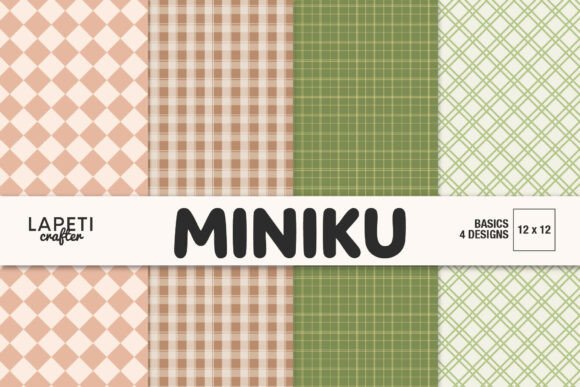
The term "plaid" in the context of modern digital and physical scrapbooking encompasses a broader spectrum than traditional tartan. A comprehensive collection typically includes gingham patterns, which offer a softer, checkered look ideal for casual or vintage themes, alongside stricter diamond motifs and complex geometric designs. The distinction lies in the scale and color interaction. High-resolution files in this category are designed to be seamless, allowing creators to tile them across large album spreads without visible breaks.
What makes these backgrounds distinct is their inherent ability to create cohesion. When a collection features a coordinated color palette across twelve or more variations, it removes the guesswork from mixing and matching. Instead of hunting for individual sheets that clash or feel disjointed, users can layer a bold plaid with a subtle gingham from the same family, confident that the hues will harmonize. This is particularly valuable for year-round projects where consistency is key, such as documenting a child's growth or maintaining a daily planner.
Comparative Analysis: Plaid vs. Other Background Styles
To make an informed decision about resources, it is helpful to evaluate plaid scrapbook paper against alternative categories commonly found in memory keeping.
- Plaid vs. Solid Colors: Solid backgrounds offer maximum flexibility for layering but can sometimes appear flat or require significant effort to add depth through ink splatters or stitching. Plaid provides immediate texture and visual interest, reducing the need for additional embellishments. However, solids remain superior when the goal is to make vibrant, multi-colored photos pop without any background competition.
- Plaid vs. Floral/Organic Prints: Organic patterns, such as florals or watercolor washes, evoke emotion and softness but can be difficult to align with straight-edged photos. Plaid and geometric designs offer a structural grid that naturally guides the eye and supports linear photo arrangements. The trade-off is that plaids may feel less "whimsical" than organic prints, making them better suited for structured storytelling rather than abstract mood pieces.
- Plaid vs. Themed Novelty Papers: Papers featuring specific holidays or characters are excellent for single-page events but often lack longevity. A timeless classic pattern like gingham or diamond motif remains relevant regardless of the season, making it a more sustainable choice for long-term albums where thematic consistency matters more than trendiness.
Practical Applications and Best-Fit Scenarios
The versatility of coordinating plaid and geometric backgrounds extends beyond standard 12x12 scrapbook layouts. Their structured nature makes them exceptionally well-suited for specific types of projects where organization and clarity are paramount.
Photo Books and Album Layouts
In photo books, especially those created digitally, background noise can reduce the legibility of text overlays. Plaid patterns, particularly those with high contrast between the lines and the background fill, create a natural frame for captions. When using a collection with multiple scales—such as pairing a large-scale tartan with a micro-gingham—designers can establish a visual hierarchy. The larger pattern can anchor a full-page spread, while the smaller pattern serves as a mat for individual photographs.
Journaling and Planner Decoration
For journaling projects, the grid-like nature of plaid mimics the structure of lined or graph paper, providing a subconscious cue for writing. Using these papers as inserts in traveler's notebooks or as decorative headers in planners adds a polished, handmade feel without obscuring the functional space needed for notes. The geometric precision helps maintain neatness in bullet journals where alignment is crucial.
Handmade Cards and Paper Crafts
In card making, plaid serves as an excellent neutral. Because the pattern is repetitive and predictable, it pairs well with bold die-cuts and stamped sentiments. It acts as a "textured neutral," similar to how a knit sweater functions in fashion—it adds warmth and dimension without introducing a new color variable. This is particularly useful when creating sets of cards where uniformity is desired.
Decision Factors: When to Choose Plaid and When to Look Elsewhere
While the benefits of timeless classic patterns are numerous, they are not the universal solution for every creative challenge. Evaluating your specific requirements will help determine if this resource is the right fit.
Choose plaid scrapbook paper if:
- You need to unify a disparate collection of photos taken in various lighting conditions. The consistent pattern ties different images together.
- Your design style leans towards clean, modern, or rustic aesthetics rather than shabby chic or overly ornate styles.
- You are working on a long-term project, such as a yearly album, and require a background theme that will not feel dated in five years.
- You prefer a "mix and match" workflow where you can quickly assemble pages using pre-coordinated elements.
Consider alternative options if:
- Your primary photos are low-contrast or busy; adding a plaid background might create visual vibration or make the image edges hard to distinguish.
- You are aiming for a purely organic, free-flowing artistic expression where rigid lines contradict the emotional tone of the content.
- The project requires a high degree of customization in color that falls outside standard coordinated palettes, necessitating hand-dyed or custom-printed solids instead.
Maximizing Value Through Coordination
One of the strongest arguments for utilizing a dedicated collection of 12 patterned background designs is the efficiency it brings to the creative process. Sourcing individual papers from different manufacturers often leads to mismatches in tone, saturation, and print quality. A curated set ensures that the red in the gingham matches the red in the diamond motif, eliminating the frustration of near-misses.
Furthermore, the availability of high-resolution files ensures that these patterns remain crisp whether printed at standard sizes or scaled up for large-format posters or wall art. For digital scrappers, this means the ability to resize elements without pixelation, a critical factor when producing professional-quality photo books.
Final Thoughts on Selection
Selecting the right background is a balancing act between supporting the story and enhancing the visual appeal. Plaid scrapbook paper offers a robust solution for those who value structure, coordination, and timeless design. By understanding its strengths in creating cohesive layouts and recognizing its limitations regarding highly organic or low-contrast imagery, crafters can make strategic choices. Whether used for a detailed memory keeping album, a functional planner, or a suite of handmade cards, these geometric and checkered foundations provide a reliable canvas for preserving life's moments with clarity and style.