Defining the Autumn Grandmillennial Fall Pattern: A Guide to Seasonal Design Choices
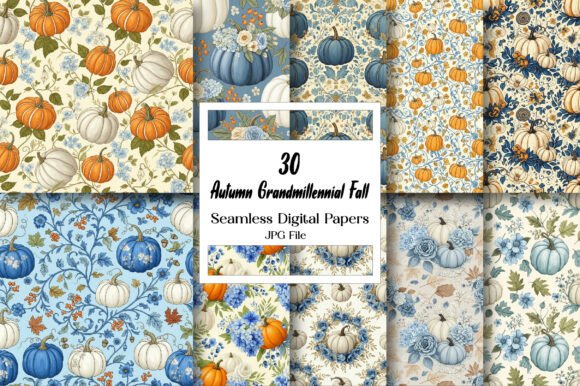
The intersection of nostalgia and seasonal warmth has given rise to a distinct visual language known as the Autumn Grandmillennial Fall Pattern. For designers, crafters, and brand strategists navigating the crowded landscape of autumn aesthetics, understanding this specific style is crucial for making informed resource choices. Unlike generic fall motifs that rely heavily on cartoonish pumpkins or overly rustic burlap textures, the grandmillennial approach offers a refined, heritage-inspired alternative. It blends the cozy comfort of traditional "granny chic" with the sophisticated sensibilities of modern design, creating a look that feels both timeless and current.
When evaluating design assets for upcoming projects, it is essential to distinguish between fleeting trends and enduring styles. The grandmillennial aesthetic, characterized by its embrace of maximalism, vintage florals, and classic toile details, has proven to be more than a passing fad. It represents a shift toward comforting familiarity in an increasingly digital world. This article explores what defines this pattern category, how it compares to other seasonal styles, and the practical considerations for integrating it into your workflow.
Deconstructing the Aesthetic: What Sets It Apart
To effectively utilize an Autumn Grandmillennial Fall Pattern, one must first understand its core components. This style is not merely about adding leaves to a background; it is about curating a specific atmosphere. The hallmark of this aesthetic is the layering of textures and motifs that evoke a sense of history. Key elements often include:
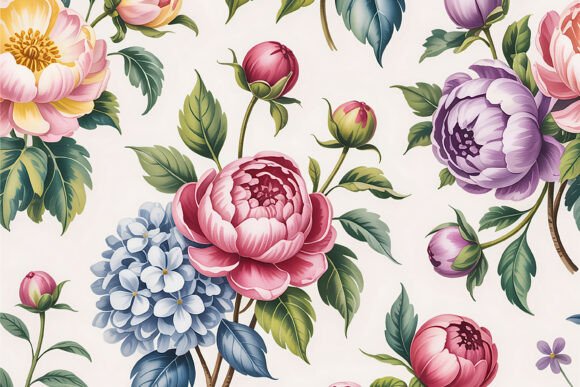
- Vintage-inspired florals: Unlike bright, modern botanical illustrations, these flowers often feature muted tones, detailed linework, and a slightly faded appearance reminiscent of antique textiles.
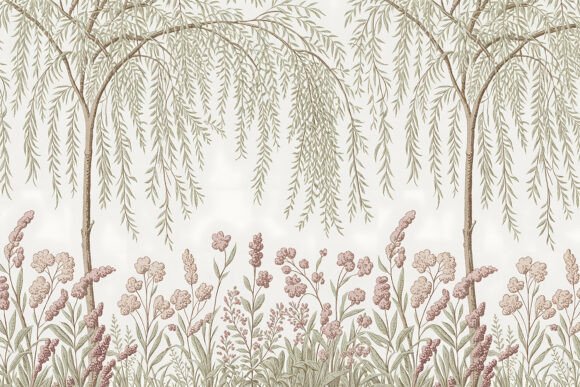
- Classic toile and gingham: These traditional patterns provide structure and rhythm, grounding the more organic floral elements in a sense of order and domesticity.
- Rich, warm palettes: The color story typically avoids neon or overly saturated hues. Instead, it favors rust, cream, olive green, mustard, and deep browns, mimicking the natural decay and warmth of the season.
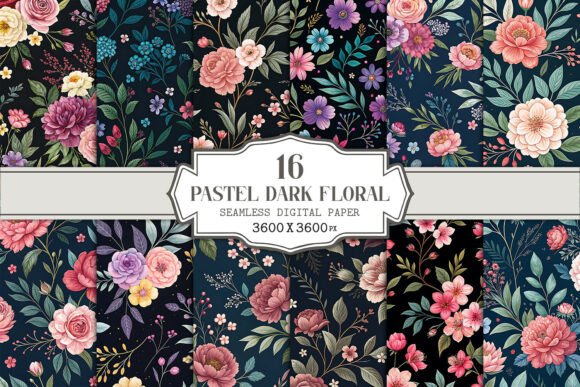
- Seamless repetition: High-quality packs offer seamless repeating patterns, allowing for infinite tiling without visible breaks, which is critical for large-scale applications like fabric or wallpaper.
The distinction lies in the emotional resonance of the design. While a standard fall pattern might scream "harvest festival," a grandmillennial pattern whispers "heirloom quilt." This subtlety makes it versatile for audiences who appreciate elegance over overt thematic signaling.
Comparative Analysis: Grandmillennial vs. Other Fall Styles
When selecting resources, designers often weigh several competing aesthetics. Understanding where the grandmillennial style fits within this spectrum helps in choosing the right tool for the job.
Grandmillennial vs. Modern Minimalist Fall
Modern minimalist fall designs focus on negative space, simple geometric leaf shapes, and a limited color palette, often featuring stark whites and blacks with a single accent color. In contrast, the Autumn Grandmillennial Fall Pattern embraces complexity. If your project requires a clean, corporate look for a tech company's seasonal email header, the minimalist approach may be superior. However, for boutique packaging, wedding stationery, or home décor where warmth and texture are paramount, the grandmillennial style offers a depth that minimalism cannot achieve. The trade-off is visual density; grandmillennial designs demand more careful layout management to avoid appearing cluttered.
Grandmillennial vs. Rustic Farmhouse
The rustic farmhouse style, popularized in the early 2010s, relies heavily on distressed wood textures, chalkboard fonts, and literal representations of harvest items like cornucopias. While both styles value tradition, the grandmillennial aesthetic is more polished and interior-design focused. It swaps the "barn find" look for the "antique shop" vibe. For projects targeting a younger demographic (ages 20–40) who view vintage items as stylish rather than just old, the grandmillennial pattern is often the stronger choice. It feels curated rather than accidental.
Grandmillennial vs. Whimsical Illustration
Whimsical fall patterns often feature anthropomorphic animals, playful ghosts, or hand-drawn doodles. These are excellent for children's products or lighthearted social media content. The grandmillennial style, however, maintains a level of seriousness and sophistication. It is better suited for adult-oriented products such as planner covers, high-end gift wrap, or branding for artisanal goods. Choosing between them depends entirely on the intended tone of voice for your brand or project.
Practical Applications and Best-Fit Scenarios
The versatility of high-resolution, 300 DPI print-ready files means these patterns can serve multiple functions across different mediums. However, not every application benefits equally from this dense, detailed style.
Ideal Use Cases:
- Seasonal Branding and Packaging: For small businesses selling candles, soaps, or gourmet foods, using a grandmillennial pattern on box liners or labels instantly elevates the perceived value of the product. The intricate details suggest care and craftsmanship.
- Event Stationery: Fall weddings and Thanksgiving gatherings benefit from the romantic, nostalgic feel of toile and floral mixes. These patterns work beautifully on invitations, menus, and place cards.
- Textile and Home Décor: Because these patterns mimic traditional fabrics, they translate exceptionally well to actual textiles. They are perfect for sublimation projects on tote bags, throw pillows, or even custom upholstery.
- Digital Planning and Journaling: The community of digital planners values high-quality, seamless papers for creating cohesive journal spreads. The warm tones provide a comforting backdrop for daily reflections during the darker months.
Limitations and Considerations:
While powerful, this style is not a universal solution. The high level of detail in vintage florals and toile can become illegible when scaled down too small. For example, using a complex grandmillennial pattern as a favicon or a tiny profile picture icon would result in a muddy, indistinguishable blob. In such cases, isolating a single motif from the pattern or opting for a simpler alternative is necessary. Additionally, because the style leans heavily on warm, earthy tones, it may clash with brands that strictly adhere to cool color palettes or high-contrast neon identities.
Evaluating Quality: What to Look For in a Pattern Pack
Not all digital paper packs are created equal. When researching options to download, several technical and artistic factors determine whether a pack will meet professional standards.
First, verify the resolution and file format. Professional results require files at 300 DPI (dots per inch). Lower resolution files (72 DPI) are suitable only for screen display and will pixelate if printed. Ensure the pack includes high-resolution JPG or PNG files. Second, examine the seamlessness. A true seamless pattern should tile perfectly without visible edges or interruptions. Test this by tiling the image in your design software before committing to a purchase or download.
Third, consider the color consistency. A well-curated pack will ensure that all patterns share a harmonious color palette. Mixing a rust-colored pattern with one that uses a clashing orange can disrupt the visual flow of a project. The best packs offer a unified collection where every sheet complements the others, allowing for easy mixing and matching in scrapbooking or collage work.
Making the Final Decision
Choosing to incorporate an Autumn Grandmillennial Fall Pattern into your work is a decision to prioritize warmth, history, and elegance. It is the right choice when your goal is to evoke feelings of comfort and nostalgia without sacrificing sophistication. It serves as a bridge between the old and the new, appealing to those who find beauty in imperfection and tradition.
However, if your project demands ultra-modern sleekness, high-impact visibility from a distance, or a playful, childish tone, other styles may serve you better. By weighing the trade-offs between complexity and clarity, and understanding the specific emotional cues of the grandmillennial aesthetic, you can select the resources that truly elevate your creative output. Whether for a DIY craft, a commercial product line, or personal home décor, this style offers a rich vocabulary for expressing the unique spirit of the autumn season.