Colorful Wildflower Peony Pattern Design Guide
There is a specific kind of visual energy that only a high-resolution botanical illustration can bring to a project. When you encounter a Colorful Wildflower Peony Pattern, you are not just looking at flowers; you are engaging with a carefully constructed ecosystem of color, texture, and composition. Crafted at a resplendent resolution of 4096x4096 pixels, this type of design offers more than just aesthetic appeal—it provides a versatile asset for creators who need clarity, detail, and emotional resonance in their work. Whether you are a graphic designer scaling an image for a billboard or a hobbyist printing custom scrapbook paper, the fidelity of the source material dictates the quality of the final output.
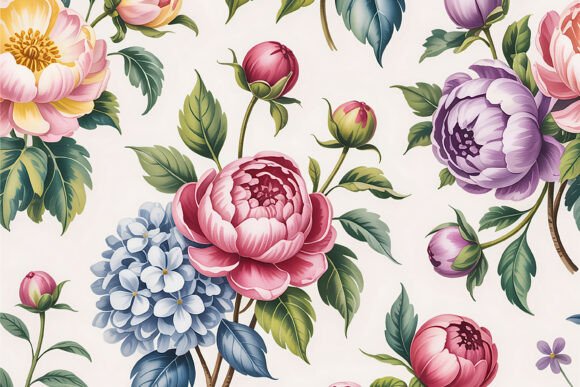
The core strength of this design lies in its "glowing symphony" of mixed florals. It moves beyond the single-subject focus common in stock photography to create a dense, romantic garden scene. By combining the classic, voluminous beauty of peonies with the delicate, clustered elegance of hydrangea blooms and various ethereal wildflowers, the pattern achieves a depth that feels organic rather than manufactured. This diversity allows the eye to travel across the surface, discovering new details with every look, which is crucial for maintaining viewer engagement in both digital and print media.
The Power of High-Resolution Botanical Assets
In the professional creative industry, resolution is often the dividing line between an amateur-looking project and a polished commercial product. A 4096x4096 pixel canvas provides substantial flexibility. For marketers and brand managers, this means a single asset can be cropped for a social media story, used as a full-width website hero background, or printed on large-format merchandise without losing sharpness. The petal art within this specific pattern is rendered with such precision that the textural nuances of the leaves and blossoms remain crisp even when zoomed in.
Consider the practical implications for textile design. When transferring a Colorful Wildflower Peony Pattern onto fabric, low-resolution images often result in pixelation or muddy colors once the weave of the material interacts with the ink. However, a file of this magnitude ensures that the vibrant palette—ranging from deep magentas to soft pastel greens—translates accurately. The result is a textile print that feels luxurious and intentional, suitable for everything from high-end fashion scarves to home decor upholstery.
Versatile Applications Across Industries
The utility of this floral medley extends far beyond simple decoration. Its ability to conjure an atmosphere of a spring garden in full bloom makes it a powerful tool for setting a mood. Here is how different professionals can leverage this design:
- Interior Designers and Decorators: Use the pattern as a focal point for accent walls or custom wallpapers. The shabby chic aesthetic inherent in the romantic arrangement complements vintage furniture, while the vibrant colors can modernize a neutral room.
- Packaging Designers: For brands in the beauty, wellness, or artisanal food sectors, this pattern adds a layer of botanical luxury. It signals natural ingredients and careful craftsmanship to the consumer before they even open the box.
- Digital Publishers and Bloggers: Content creators can use sections of the image as background textures for quotes, headers, or eBook covers. The high resolution ensures it looks professional on Retina displays and 4K monitors.
- Educators and Presenters: In presentations regarding biology, art history, or seasonal marketing trends, this illustration serves as a visually stimulating backdrop that keeps audiences engaged without distracting from the core message.
Bridging Traditional Charm with Modern Utility
One of the most compelling aspects of this design is how it balances old-world charm with contemporary usability. It pays tribute to traditional botanical illustrations—the kind found in 19th-century encyclopedias—but executes them with modern digital precision. This blend appeals to a broad demographic, from older consumers who appreciate the nostalgia of a summer meadow to younger audiences drawn to the "cottagecore" and whimsical botanical trends popular on social media.
For entrepreneurs building a brand identity, consistency is key. A Colorful Wildflower Peony Pattern offers a cohesive visual language that can be adapted across various touchpoints. Imagine a wedding invitation suite where the save-the-date card features a close-up of the peony, the menu uses the hydrangea cluster as a border, and the thank-you note utilizes the full wildflower background. This creates a unified experience that feels thoughtful and curated.
Selecting and Implementing Floral Designs
While the artistic merit of the pattern is evident, successful implementation requires a strategic approach. When evaluating floral assets for your projects, consider the following factors:
- Color Harmony: Analyze the dominant hues. Does the vibrant palette clash with your existing brand colors, or does it provide a necessary pop of contrast? This specific design's multi-colored blossoms offer a wide spectrum, but you may need to adjust saturation levels to match your specific style guide.
- Scale and Repetition: If using the image as a seamless repeat for web backgrounds or fabrics, check the edges for continuity. A well-crafted pattern should tile invisibly, creating an endless field of blooms.
- Licensing and Usage Rights: Always verify the license associated with high-resolution art. Commercial projects, especially those involving merchandise for sale, require clear rights to avoid legal complications.
- File Format Flexibility: Ensure you have access to the appropriate file types (PNG for transparency, TIFF for print, JPG for web) to maximize the utility of the 4096x4096 source file.
Enhancing User Experience Through Visual Storytelling
In digital environments, user experience (UX) is heavily influenced by visual hierarchy and emotional connection. A cluttered or generic background can increase bounce rates, whereas a meaningful, high-quality image can increase time-on-page. The ethereal wildflower patterns found in this design invite users to pause. They soften the rigid lines of user interfaces and add a human touch to digital interactions.
Furthermore, the psychological impact of nature imagery is well-documented. Exposure to floral elements and green spaces, even digitally represented, can reduce stress and improve mood. By integrating a Colorful Wildflower Peony Pattern into a healthcare app, a meditation website, or a corporate wellness portal, you are subtly contributing to a calmer, more positive user environment. The "feminine design" notes often associated with such florals also resonate strongly in markets targeting female demographics, fostering a sense of community and shared aesthetic values.
Ultimately, the value of this design lies in its adaptability. It is not merely a picture of flowers; it is a toolkit for creativity. Whether you are wrapping a gift with custom paper, designing a seasonal marketing campaign, or simply looking to refresh your home office space with some decorative wallpaper, the intricate details and vibrant life of this botanical masterpiece provide a solid foundation. It reminds us that even in a digital-first world, the timeless appeal of a blooming garden remains a potent force for inspiration and connection.