Unlocking Creativity with Cute BABY Boy Paper: A Guide to Smarter Design Choices
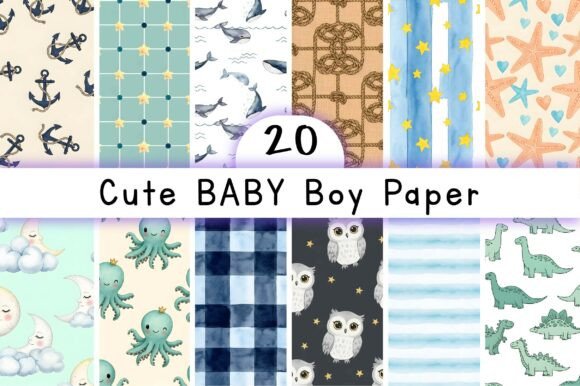
Finding the right visual assets can make or break a creative project, whether you are designing a nursery, packaging a small business product, or compiling a cherished family scrapbook. This is where Cute BABY Boy Paper comes into play. These digital designs, featuring adorable patterns in bright shades of pink, teal, orange, and yellow, offer a versatile foundation for countless applications. However, simply downloading a file isn't enough to guarantee professional results. Many creators, from hobbyists to seasoned entrepreneurs, often overlook critical details regarding resolution, file formats, and licensing that can significantly impact the final outcome.
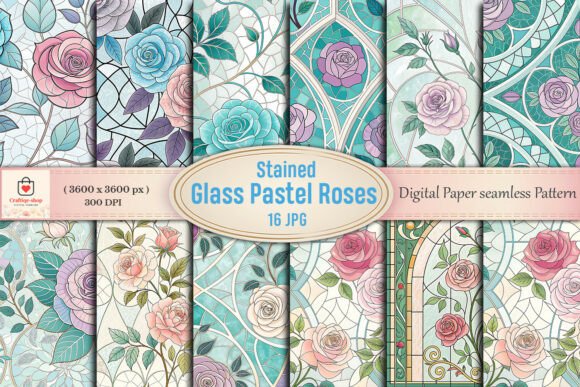
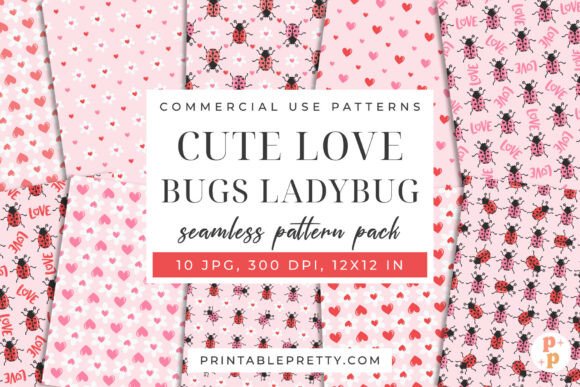
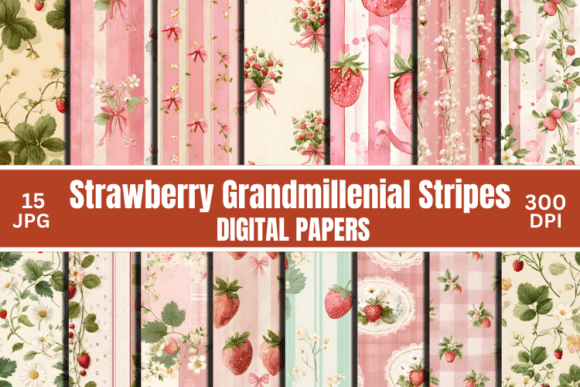
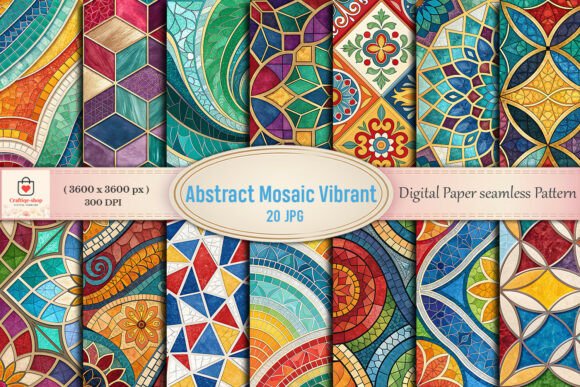
Understanding what these digital papers truly offer is the first step toward avoiding common pitfalls. The collection typically includes high-resolution files, such as the 4096 x 4096 pixel JPGs and PNGs found in premium packs, printed at 300 DPI. While the vibrant colors and unique AI-generated designs are immediately appealing, users must navigate the technical aspects of digital downloads to ensure their projects look as good in print as they do on screen. Let's explore the frequent mistakes people make when selecting and using these assets and how you can approach your next project with confidence and clarity.
Misunderstanding Resolution and Print Quality
One of the most prevalent errors creators make is assuming that an image looking crisp on a smartphone screen will automatically translate to a sharp physical print. This misconception often leads to blurry posters, pixelated wrapping paper, or unprofessional marketing materials. When working with Cute BABY Boy Paper, it is essential to verify the DPI (dots per inch) before you begin designing. A standard screen displays images at 72 DPI, but high-quality printing requires 300 DPI.
The good news is that quality packs usually provide files specifically optimized for print, such as the 300 DPI JPGs included in many collections. However, a mistake occurs when users resize these images incorrectly. Stretching a 4096 x 4096 image to fit a large banner without maintaining the aspect ratio or understanding the physical dimensions it can cover at 300 DPI can degrade quality. Always check the actual print dimensions of your file. For instance, a 4096-pixel square at 300 DPI yields a print size of approximately 13.6 inches by 13.6 inches. If your project requires a larger backdrop, you may need to tile the pattern or seek a vector alternative, rather than forcing a raster image to stretch beyond its limits.
Overlooking File Format Capabilities
Another area where beginners often stumble is the choice between JPG and PNG files. Both formats are typically included in comprehensive downloads, yet they serve different purposes. A common misstep is using a JPG file when a transparent background is necessary. JPGs always have a solid background color, usually white, which can create unsightly boxes around your design elements if placed over a colored or textured background in your layout software.
In contrast, PNG files support transparency. If you are creating layered scrapbook pages, overlaying patterns on home decor items, or designing logos for small business packaging, the PNG versions of Cute BABY Boy Paper are indispensable. Using the wrong format can force you to spend extra time manually removing backgrounds in editing software, a process that rarely looks as clean as a native transparent file. Before starting your design, assess your layers: if the pattern needs to sit on top of other elements seamlessly, reach for the PNG. If you need a full-sheet background for printing, the high-quality JPG is often the more efficient choice.
Neglecting Color Consistency Across Media
The vibrant palette of pink, teal, orange, and yellow described in these collections is a major selling point, but colors can behave unpredictably across different mediums. A frequent oversight is failing to account for the difference between RGB (screen) and CMYK (print) color modes. Designs viewed on a monitor often appear brighter and more saturated than they do when printed on paper. Without proper calibration or proofing, the cheerful teal might turn muddy, or the bright pink might lose its pop.
To avoid disappointment, especially for small business owners relying on these patterns for branding and packaging, it is wise to order a test print before committing to a large run. Additionally, consider the material you are printing on. Uncoated paper absorbs more ink and can dull colors, while glossy photo paper enhances vibrancy. Understanding how your specific printer and paper stock interact with the digital file ensures that the "cute" aesthetic remains intact in the physical world.
Confusing Digital Downloads with Physical Goods
In the age of instant gratification, it is surprisingly easy to forget that products labeled as "Instant Download" are purely digital. A recurring issue involves customers expecting a physical roll of paper or a mailed package. Since Cute BABY Boy Paper is an AI-generated digital product, no physical item will be shipped. This misunderstanding can lead to unnecessary anxiety or negative reviews if the buyer isn't paying attention to the product description.
To streamline your workflow, ensure you have the necessary software to unzip files and open high-resolution images immediately after purchase. Organize your downloaded assets into clearly labeled folders on your computer or cloud storage. This simple organizational habit prevents the frustration of hunting for files later when inspiration strikes. Remember, the value here lies in the immediate access to versatile, high-resolution textures that you can deploy instantly across various projects, from wallpaper simulations to custom gift wrap.
Maximizing Versatility Through Mixing and Matching
Finally, a missed opportunity often lies in sticking to a single pattern. The true power of these collections is the ability to mix and match the twenty unique designs provided. Some users treat each pattern as an isolated element, whereas combining the teal geometric shapes with the soft pink organic motifs can create a dynamic, custom look that feels bespoke rather than templated.
When planning your project, lay out multiple patterns side by side. Look for complementary colors and contrasting scales. For example, pairing a large-scale orange pattern with a smaller, subtle yellow texture can add depth to a scrapbook layout or a nursery wall decal. This approach not only enhances the visual interest of your work but also maximizes the return on your investment by utilizing the full breadth of the collection.
By paying attention to resolution, choosing the correct file format, managing color expectations, understanding the digital nature of the product, and creatively combining patterns, you can elevate your projects significantly. Cute BABY Boy Paper offers a robust toolkit for creators, but like any tool, its effectiveness depends on the skill and awareness of the user. Take a moment to review your workflow and ensure you are leveraging these assets to their fullest potential.